

Are you tired of traditional marketing methods that yield little to no results? It’s time to step into the digital age and embrace the power of social media for your pest control company.
In today’s fast-paced world, where everyone is scrolling through their newsfeeds, it’s crucial to leverage social media to boost your sales.
But how exactly can you do that? Well, by targeting the right audience, creating engaging content, and even partnering with influencers, you can take your pest control business to new heights.
Intrigued? Let’s explore further.
Key Takeaways
- Social media advertising is essential for pest control companies to reach their target audience and increase sales.
- Targeting the right audience, particularly millennials, is crucial for success in the digital age.
- Creating engaging content that is informative, visually appealing, and shareable is key to audience engagement.
- Leveraging influencer partnerships can increase brand awareness, credibility, and customer trust.
Importance of Social Media Advertising
Social media advertising is an essential tool for pest control companies to effectively reach their target audience and increase sales. In today’s digital age, social media has become a powerful platform for businesses to connect with potential customers and build brand visibility.
By implementing effective social media strategies, pest control companies can significantly enhance their online presence and attract a larger customer base.
One of the key advantages of social media advertising is its ability to increase brand visibility. With millions of active users on platforms like Facebook, Instagram, and Twitter, pest control companies can showcase their services to a vast audience. By creating engaging content, such as informative posts, eye-catching images, and educational videos, these companies can establish themselves as experts in the industry. This not only helps in building trust among potential customers but also increases the chances of them choosing your services over competitors’.
Moreover, social media advertising allows pest control companies to target specific demographics and geographic locations. By utilizing advanced targeting options provided by platforms like Facebook Ads Manager, companies can ensure that their ads are shown to people who are most likely to be interested in their services. This not only saves valuable resources but also leads to higher conversion rates and increased sales.
Targeting the Right Audience
To effectively tap into the potential of social media advertising, it’s crucial for pest control companies to identify and target the right audience for their services. In today’s digital age, reaching millennials is essential for any business looking to thrive. This tech-savvy generation is highly active on social media platforms, making it the perfect medium to connect with them.
To target millennials effectively, pest control companies need to identify their customer pain points. What’re the challenges and concerns that this audience faces when it comes to pest control? By understanding their pain points, companies can tailor their messaging and solutions to resonate with this demographic.
One key pain point for millennials might be the desire for eco-friendly pest control options. This generation is environmentally conscious and seeks out sustainable solutions in all aspects of their lives. By highlighting eco-friendly pest control methods, companies can position themselves as the go-to choice for this audience.
Additionally, millennials value convenience and efficiency. They want services that are easy to access and use. Pest control companies can leverage social media platforms to showcase their online booking systems, quick response times, and hassle-free processes.
Creating Engaging Content
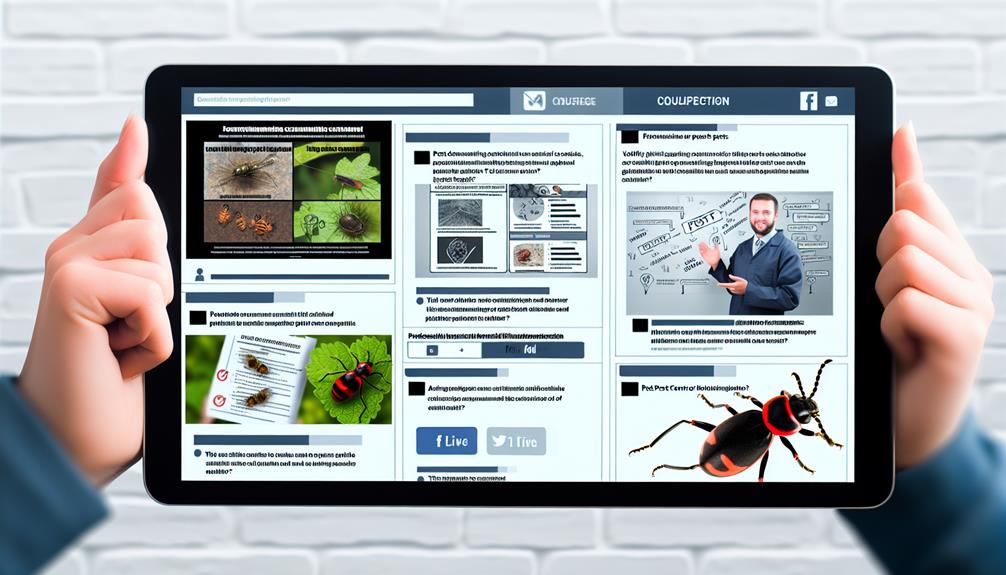
Engage your audience with captivating content that brings value and solves their pest control problems. Developing a strong content strategy is crucial for audience engagement on social media platforms. Your content should be informative, visually appealing, and shareable. By providing valuable insights and tips, you can position yourself as a trusted expert in the pest control industry.
To create engaging content, consider the pain points and concerns of your target audience. What’re the common pest-related issues they face? Address these concerns through blog posts, infographics, and videos. For example, you could create a blog post titled ’10 Tips to Keep Your Home Pest-Free’ or an infographic highlighting the most common pests in your area and how to prevent them.
In addition to educational content, incorporating interactive elements can boost engagement. Conduct surveys or quizzes to get your audience involved and encourage them to share their experiences. You can also run contests or giveaways to incentivize participation and increase brand awareness.
Remember to optimize your content for each social media platform. Use eye-catching visuals and concise captions on Instagram, while crafting longer, informative posts on Facebook and LinkedIn.
Leveraging Influencer Partnerships
To take your audience engagement to the next level and expand your reach, tap into the power of influencer partnerships as a savvy strategy for your pest control company. Collaborating with influencers can greatly benefit your brand by increasing brand awareness, credibility, and customer trust.
Here are two ways you can leverage influencer collaborations and brand ambassadorship to boost your pest control company’s sales:
- Product Reviews and Recommendations:
- Partner with influencers in the home and lifestyle niche who have a substantial following. These influencers can provide honest reviews of your pest control products or services, showcasing their effectiveness and value.
- Encourage influencers to share personal experiences with pest issues and how your company’s solutions helped them overcome those challenges. This will resonate with their audience and create a sense of trust and reliability around your brand.
- Giveaways and Contests:
- Collaborate with influencers to host giveaways and contests on their social media platforms. This will create excitement and engagement among their followers, driving traffic to your website or social media pages.
- Make the entry requirements simple, such as following your company’s social media accounts or tagging friends. This will help increase your followers and reach a wider audience.
Measuring and Analyzing Campaign Results
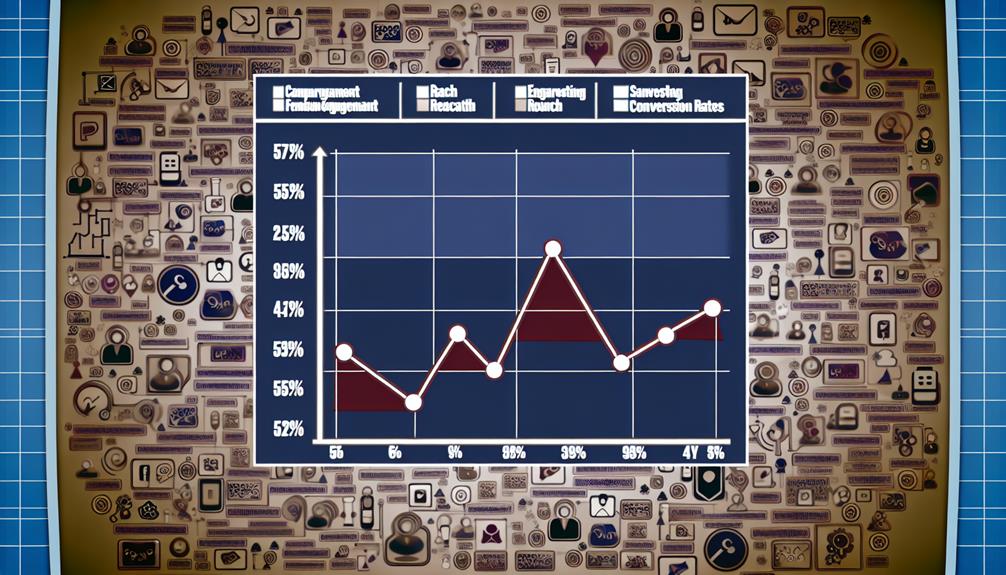
Measuring and analyzing campaign results allows you to gain valuable insights into the effectiveness of your influencer partnerships and make data-driven decisions to optimize your pest control company’s sales strategies. By tracking metrics such as reach, engagement, and conversions, you can determine which campaigns are generating the best results and allocate your resources accordingly. This process of campaign optimization is crucial for maximizing your return on investment and ensuring that your social media efforts are driving actual sales.
To effectively measure and analyze your campaign results, start by identifying the key performance indicators (KPIs) that align with your business goals. These could include metrics like click-through rates, lead generation, or customer acquisition. By setting clear objectives and tracking the relevant metrics, you can identify what’s working and what needs improvement.
Utilize social media analytics tools to gather data on your campaigns. These tools provide valuable insights into audience demographics, engagement rates, and content performance. By analyzing this data, you can identify trends, understand customer preferences, and refine your messaging to better resonate with your target audience.
Remember that analyzing campaign results is an ongoing process. Continually monitor and evaluate your campaigns to identify areas for improvement and make data-driven decisions. By leveraging the power of data, you can optimize your campaigns, increase your sales, and stay ahead of the competition in the pest control industry.